
Childcare Safety Insights from Healthcare Professionals
- Alexa Alberto
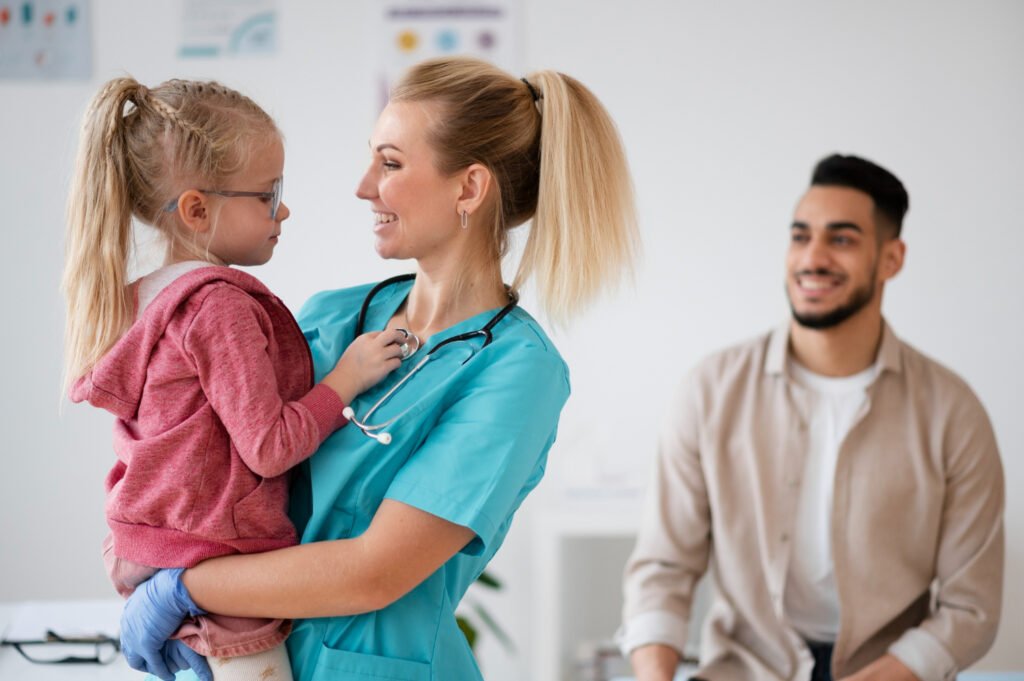
In the field of childcare, safety protocols are essential to ensure that children are nurtured, protected and have a successful environment to thrive. When nurses implement these protocols the benefits of babysitting are significantly amplified bringing a higher standard of care to childcare. This article explores the importance of safety protocols in a childcare setting, emphasizing the unique expertise nurses bring to the table.
Unique Expertise of Nurses in Childcare
- Previous Training and medical expertise: Unlike most babysitters, Nurses have extensive training in medical care, emergency response and health assessments. This training equips them with the skills to recognize early signs of early signs of illness, knowledge of medication, and to manage chronic conditions
- Infection Control: When infectious disease is on the rise in the classrooms, nurses are there to provide aid. They are versed in infection control practices. Nurses know how to implement rigorous hygiene protocols like regular hand washing, safe food handling and surface disinfection.
- Health Education: Not only do they provide education to children about good health practices but they also instill the ideals of proper hygiene, nutrition, lifestyle habits and training.
- Emergency Preparedness: If there is an emergency, Nurses have you covered as they’re training to handle emergencies such as minor injuries as well as larger health crises. They can develop and implement emergency response plans to help you and your family.
Managing Common Health Issues in Children
Children love school and to hang out with all their friends but here at Nurses to Nannies we know that they are also susceptible to a variety of many health issues. Having a nurse to care for your child brings an informed and proactive approach to help manage these issues.
- Infectious Diseases: Colds and flu’s are common illnesses that children face in group settings. Having a nurse as your childcare provider can help to ensure that your child is well cared for.
- Allergies and Asthma: Children suffer with allergies the same way adults do, but nurses make sure that your child has a caregiver who understands proper procedures in case of an emergency. Nurses can develop individual care plans for children with allergies and asthma, train staff on the use of EpiPens and inhalers, and monitor the environment for potential allergens.
- Injuries: From minor scrapes to other injuries, nurses help to provide immediate relief and first aid. They know how to properly determine if further medical treatment is necessary. This helps to reduce the risk of complications that your child faces if they get injured playing with friends or even at a park.
- Parental Involvement: Nurses properly know how to engage with parents to ensure continuity of care, continuous health updates, and provide resources for home care.
How can Nurses to Nannies help?
The integration of nurses into childcare helps to alleviate the struggles that babysitters face when it comes to proper forms of certifications and care. Nurses elevate safety protocols, offering a comprehensive approach to preventing health issues and keeping your child safe and happy. This nurse-led approach not only addresses immediate health concerns but also creates a foundation for long-term well-being benefiting your family. If you believe a nurse-childcare approach is for your family, sign up for our service at Nurses to Nannies.
Source: Crowley AA, Jeon S, Rosenthal MS. Health and safety of child care centers: an analysis of licensing specialists’ reports of routine, unannounced inspections. Am J Public Health. 2013 Oct;103(10):e52-8. doi: 10.2105/AJPH.2013.301298. Epub 2013 Aug 15. PMID: 23948016; PMCID: PMC3780729.